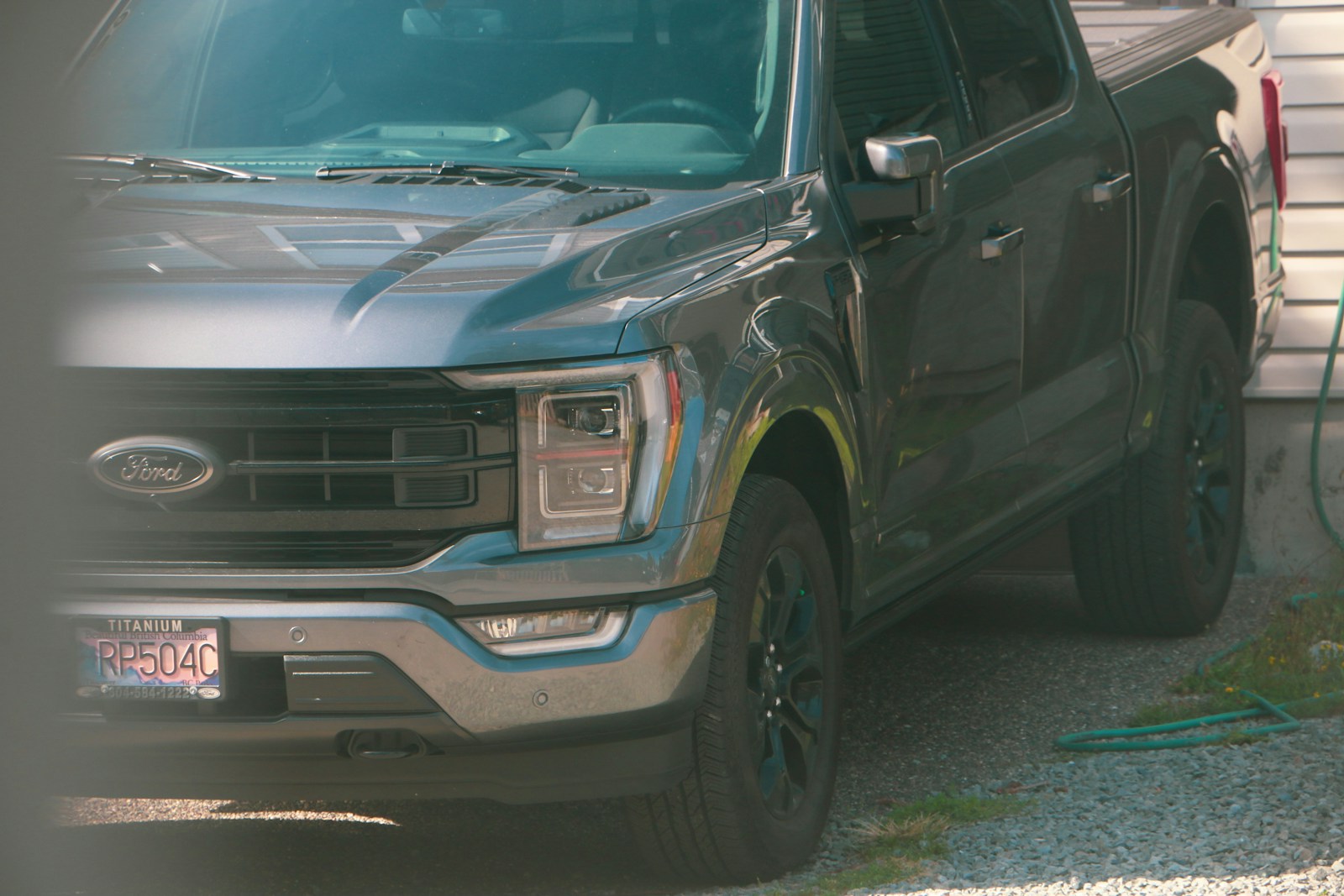
Pickup trucks are among the most versatile and culturally significant vehicles in the world, blending utility, durability, and increasingly, modern comfort. From rugged workhorses used on farms and construction sites to lifestyle vehicles seen in cities and suburbs, pickup trucks have evolved dramatically over the past century. This comprehensive article explores their history, design, global appeal, major manufacturers, technological advancements, cultural impact, and future trends.
Introduction to Pickup Trucks
A pickup truck is a light-duty vehicle featuring an enclosed cabin and an open cargo area (bed) at the rear. This design allows it to transport both passengers and goods efficiently. Unlike traditional cars, pickup trucks are built to handle tough tasks such as towing, hauling, and off-road driving.
They are especially popular in countries like the United States, Canada, Australia, and increasingly in parts of Asia including Pakistan.
Historical Development
Early Origins
The concept of pickup trucks dates back to the early 20th century when manufacturers began modifying cars to carry cargo. One of the first factory-produced pickup trucks was introduced by Ford Motor Company in 1925, based on the Model T platform.
These early pickups were simple, rugged, and designed primarily for farmers and tradespeople.
Growth in Popularity
During the mid-20th century, pickup trucks gained widespread popularity:
- Used in agriculture and construction
- Adopted by small businesses
- Valued for durability and affordability
The introduction of models like the Ford F-Series in 1948 revolutionized the segment. The F-Series remains one of the best-selling vehicle lines globally.
Transition to Lifestyle Vehicles
By the late 20th century, pickup trucks began to evolve beyond work vehicles:
- Improved interiors and comfort
- Enhanced safety features
- Stylish designs
Manufacturers started targeting everyday consumers, not just professionals.
Anatomy of a Pickup Truck
Understanding pickup trucks requires examining their key components.
Cabin Types
Pickup trucks come in various cabin configurations:
- Regular Cab (2 doors, minimal seating)
- Extended Cab (small rear seats)
- Crew Cab (full rear seating)
Crew cabs are now the most popular due to their family-friendly design.
Truck Bed
The truck bed is the defining feature of a pickup. It is used for:
- Transporting goods
- Carrying tools
- Hauling equipment
Bed lengths vary depending on the model and intended use.
Chassis and Frame
Most pickup trucks use a body-on-frame construction, which provides:
- Greater strength
- Better towing capacity
- Enhanced durability
Powertrain
Pickup trucks are equipped with powerful engines, including:
- Gasoline engines
- Diesel engines
- Hybrid systems
Diesel engines are particularly valued for torque and fuel efficiency in heavy-duty applications.
Types of Pickup Trucks
Compact Pickup Trucks
These are smaller, fuel-efficient trucks suitable for light-duty tasks. Examples include models from Toyota and Nissan.
Mid-Size Pickup Trucks
Mid-size trucks strike a balance between power and efficiency. Popular models include the Toyota Hilux, known for its durability worldwide.
Full-Size Pickup Trucks
These are the most popular in North America. Examples include:
- Ford F-150
- Chevrolet Silverado
- Ram 1500
They offer high towing capacity and spacious interiors.
Heavy-Duty Pickup Trucks
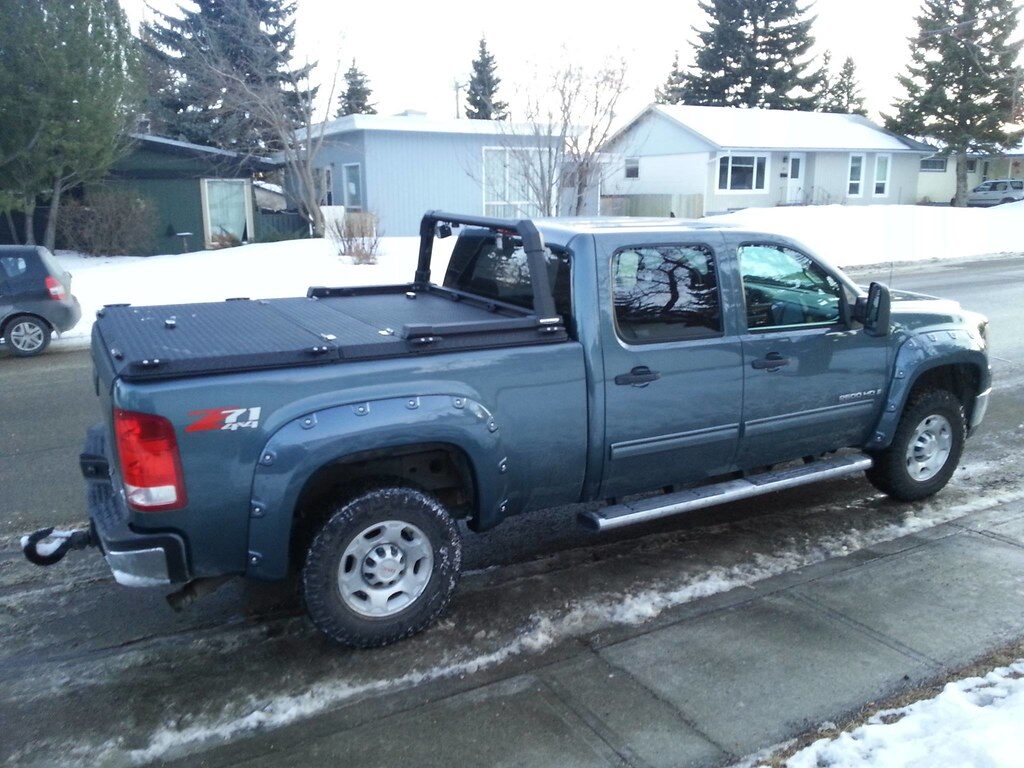
Designed for extreme workloads, these trucks are used for:
- Towing large trailers
- Industrial applications
- Construction work
Major Manufacturers
American Manufacturers
Ford Motor Company
A pioneer in pickup trucks, Ford dominates the segment with its F-Series lineup.
General Motors
Produces the Silverado and GMC Sierra.
Ram (Stellantis)
Known for luxury and performance-oriented trucks.
Japanese Manufacturers
Toyota
Famous for reliability, especially with the Hilux.
Nissan
Offers models like the Navara.
Other Global Players
- Isuzu
- Mitsubishi Motors
These companies focus heavily on markets in Asia and Africa.
Pickup Trucks
Pickup trucks play a crucial role in economy and transportation system.
Popular Models
- Suzuki Ravi
- Toyota Hilux
- Isuzu D-Max
Usage
Pickup trucks are widely used for:
- Small businesses
- Agriculture
- Goods transportation
- Ride-hailing cargo services
Their affordability and practicality make them essential in both urban and rural areas.
Performance and Capability
Towing Capacity
Pickup trucks are designed to tow heavy loads such as:
- Trailers
- Boats
- Construction equipment
Payload Capacity
Payload refers to the weight a truck can carry in its bed. This varies by model and size.
Off-Road Capability
Many pickup trucks are equipped with:
- Four-wheel drive (4WD)
- High ground clearance
- Off-road suspension systems
These features make them suitable for rough terrains.
Technological Advancements
Safety Features
Modern pickup trucks include:
- Lane departure warning
- Adaptive cruise control
- Blind-spot monitoring
Infotainment Systems
Pickup trucks now offer advanced infotainment systems with:
- Touchscreens
- Smartphone connectivity
- Navigation systems
Hybrid and Electric Trucks
The industry is moving toward electrification with models like:
- Ford F-150 Lightning
Electric trucks offer:
- Zero emissions
- Instant torque
- Lower operating costs
Cultural Significance
In the United States
Pickup trucks are deeply ingrained in American culture. They symbolize:
- Independence
- Hard work
- Rural lifestyle
In Developing Countries
In countries like Pakistan, pickup trucks represent:
- Economic opportunity
- Mobility
- Practical transportation
Advantages of Pickup Trucks
- High versatility
- Strong towing and hauling capabilities
- Durability
- Off-road performance
Disadvantages
- Lower fuel efficiency compared to cars
- Larger size can make parking difficult
- Higher initial cost for some models
Environmental Impact
Pickup trucks traditionally have higher emissions due to larger engines. However, manufacturers are addressing this through:
- Hybrid systems
- Electric models
- Improved fuel efficiency
Future of Pickup Trucks
Electrification
Electric pickup trucks are expected to dominate the future market.
Autonomous Driving
Advanced driver assistance systems are paving the way for self-driving trucks.
Smart Connectivity
Future trucks will integrate:
- Internet of Things (IoT)
- Real-time diagnostics
- Connected ecosystems
Conclusion
Pickup trucks have evolved from simple utility vehicles into multifunctional machines that serve both work and lifestyle needs. From the early innovations of Ford Motor Company to modern electric models like the Ford F-150 Lightning, the journey of pickup trucks reflects technological progress and changing consumer demands.
Their importance in economies around the world, including Pakistan, cannot be overstated. As the automotive industry shifts toward sustainability and innovation, pickup trucks are poised to remain a vital part of global transportation for decades to come.