
Sport Utility Vehicles, commonly known as SUVs, have become one of the most popular and influential segments in the global automotive industry. Over the past few decades, SUVs have transformed from rugged, off-road machines into versatile, family-friendly vehicles that dominate roads across the world. Their blend of practicality, performance, comfort, and style has made them a preferred choice for millions of drivers. This article explores the history, evolution, types, advantages, challenges, and future of SUVs in detail.
The origins of SUVs can be traced back to military vehicles used during World War II. One of the earliest and most iconic examples is the Willys Jeep, which was designed for durability, off-road capability, and reliability in extreme conditions. After the war, civilian versions of such vehicles became popular among farmers, adventurers, and outdoor enthusiasts. These early models laid the foundation for what would eventually evolve into modern SUVs.
In the 1960s and 1970s, automakers began producing vehicles that combined passenger car comfort with off-road capability. Models like the Ford Bronco and the Chevrolet Suburban helped define the SUV segment. These vehicles were larger, more spacious, and capable of handling rough terrain, making them ideal for both work and recreation.
The 1980s and 1990s marked a turning point for SUVs. During this period, SUVs transitioned from niche vehicles to mainstream family cars. Automakers began focusing on comfort, safety, and convenience, introducing features such as air conditioning, improved suspension systems, and advanced interiors. One of the most influential models of this era was the Toyota RAV4, introduced by Toyota in the mid-1990s. It is widely considered one of the first compact crossovers, blending SUV styling with car-like handling.
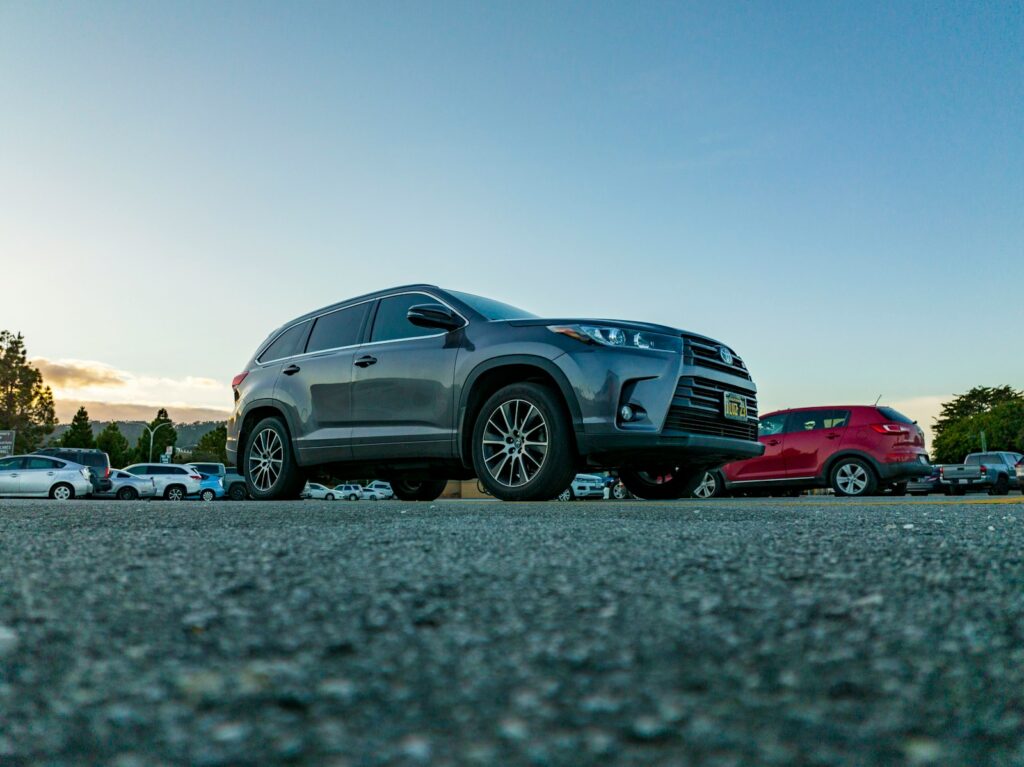
As SUVs gained popularity, they diversified into various categories. Today, SUVs are available in multiple sizes and configurations, each designed to meet different needs. Compact SUVs, such as the Honda CR-V, are ideal for urban driving and small families. Mid-size SUVs, like the Toyota Highlander, offer more space and comfort for larger families. Full-size SUVs, such as the Chevrolet Tahoe, provide maximum seating capacity and towing power.
One of the key reasons for the success of SUVs is their versatility. Unlike traditional sedans, SUVs offer higher ground clearance, making them suitable for a variety of road conditions. This feature is particularly valuable in regions with rough terrain, poor road infrastructure, or harsh weather conditions. Additionally, SUVs typically have larger cargo spaces, allowing users to transport luggage, equipment, and other items with ease.
Another major advantage of SUVs is their perceived safety. The higher driving position provides better visibility of the road, which many drivers find reassuring. Moreover, modern SUVs are equipped with advanced safety technologies, including adaptive cruise control, lane-keeping assist, and collision avoidance systems. These features contribute to a safer driving experience for both drivers and passengers.
Comfort is another area where SUVs excel. Modern SUVs are designed with spacious interiors, premium materials, and advanced infotainment systems. Many models offer features such as heated seats, panoramic sunroofs, and multi-zone climate control. This focus on comfort has made SUVs particularly appealing to families and long-distance travelers.
The rise of SUVs has also been driven by changing consumer preferences. In many parts of the world, people are increasingly seeking vehicles that can handle a variety of lifestyles. Whether it is commuting to work, going on road trips, or exploring off-road trails, SUVs provide the flexibility needed to accommodate different activities. This adaptability has made them a popular choice across different demographics.
However, the growing popularity of SUVs has not been without criticism. One of the main concerns is fuel efficiency. Traditionally, SUVs have been less fuel-efficient than smaller cars due to their larger size and heavier weight. This has raised environmental concerns, particularly in the context of climate change and rising fuel costs. In response, automakers have introduced more efficient engines, hybrid systems, and electric powertrains.
Another challenge associated with SUVs is their impact on urban environments. Larger vehicles can contribute to traffic congestion and require more parking space. Additionally, their higher front profiles have raised concerns about pedestrian safety. These issues have led to ongoing debates about the role of SUVs in modern cities.
Despite these challenges, the SUV segment continues to evolve. One of the most significant trends in recent years is the rise of crossover SUVs. Unlike traditional SUVs, which are built on truck-based platforms, crossovers are built on car-based platforms. This design allows for better fuel efficiency, smoother handling, and improved ride comfort. Models like the Nissan Rogue and the Hyundai Tucson have become extremely popular in this category.
Electrification is another major trend shaping the future of SUVs. Automakers are increasingly introducing electric SUVs to meet environmental regulations and consumer demand for sustainable transportation. One notable example is the Tesla Model X, developed by Tesla. This vehicle combines zero-emission performance with advanced technology and luxury features, setting a new standard for electric SUVs.
Hybrid SUVs are also gaining traction as a transitional solution. Vehicles like the Toyota RAV4 Hybrid offer improved fuel efficiency without sacrificing performance or practicality. These models appeal to consumers who want to reduce their environmental impact while maintaining the benefits of an SUV.
Technology has played a crucial role in the evolution of SUVs. Modern SUVs are equipped with advanced infotainment systems, connectivity features, and driver assistance technologies. Many vehicles now support smartphone integration, voice commands, and real-time navigation. These innovations enhance the overall driving experience and make SUVs more convenient and user-friendly.
The global market for SUVs has grown rapidly over the past decade. In many countries, SUVs now account for a significant share of new vehicle sales. This trend is particularly evident in regions such as North America, Europe, and Asia. The widespread appeal of SUVs has prompted nearly every major automaker to expand its SUV lineup, resulting in a highly competitive market.
In addition to mainstream models, luxury SUVs have also become increasingly popular. Brands such as BMW and Mercedes-Benz offer high-end SUVs that combine performance, luxury, and cutting-edge technology. These vehicles cater to consumers seeking a premium driving experience with the practicality of an SUV.
Off-road capability remains an important aspect of many SUVs. Vehicles like the Jeep Wrangler are specifically designed for challenging terrains, featuring advanced four-wheel-drive systems, high ground clearance, and durable construction. These models continue to attract adventure enthusiasts and outdoor lovers.
The cultural impact of SUVs is also noteworthy. SUVs are often associated with status, power, and freedom. They have become symbols of modern lifestyles, reflecting the desire for mobility and independence. This cultural significance has further contributed to their widespread popularity.
Looking ahead, the future of SUVs appears promising but complex. The industry is undergoing a major transformation driven by technological advancements and environmental concerns. Electric and autonomous SUVs are expected to play a significant role in shaping the next generation of vehicles. Automakers are investing heavily in research and development to create smarter, cleaner, and more efficient SUVs.
Sustainability will be a key focus in the coming years. Manufacturers are exploring new materials, energy sources, and production methods to reduce the environmental impact of SUVs. At the same time, governments are implementing stricter regulations to promote cleaner transportation solutions.
In conclusion, SUVs have come a long way from their humble beginnings as military vehicles. They have evolved into versatile, comfortable, and technologically advanced vehicles that meet the diverse needs of modern consumers. Despite challenges related to efficiency and urban impact, SUVs continue to dominate the automotive market.
Their ability to adapt to changing trends and technologies ensures that they will remain a central part of the automotive landscape for years to come. Whether powered by gasoline, electricity, or alternative fuels, SUVs represent the future of mobility, combining practicality, performance, and innovation in a single package.
Ultimately, the enduring appeal of SUVs lies in their versatility and adaptability. As lifestyles continue to evolve, SUVs will continue to evolve with them, offering solutions that meet the demands of a dynamic and ever-changing world.