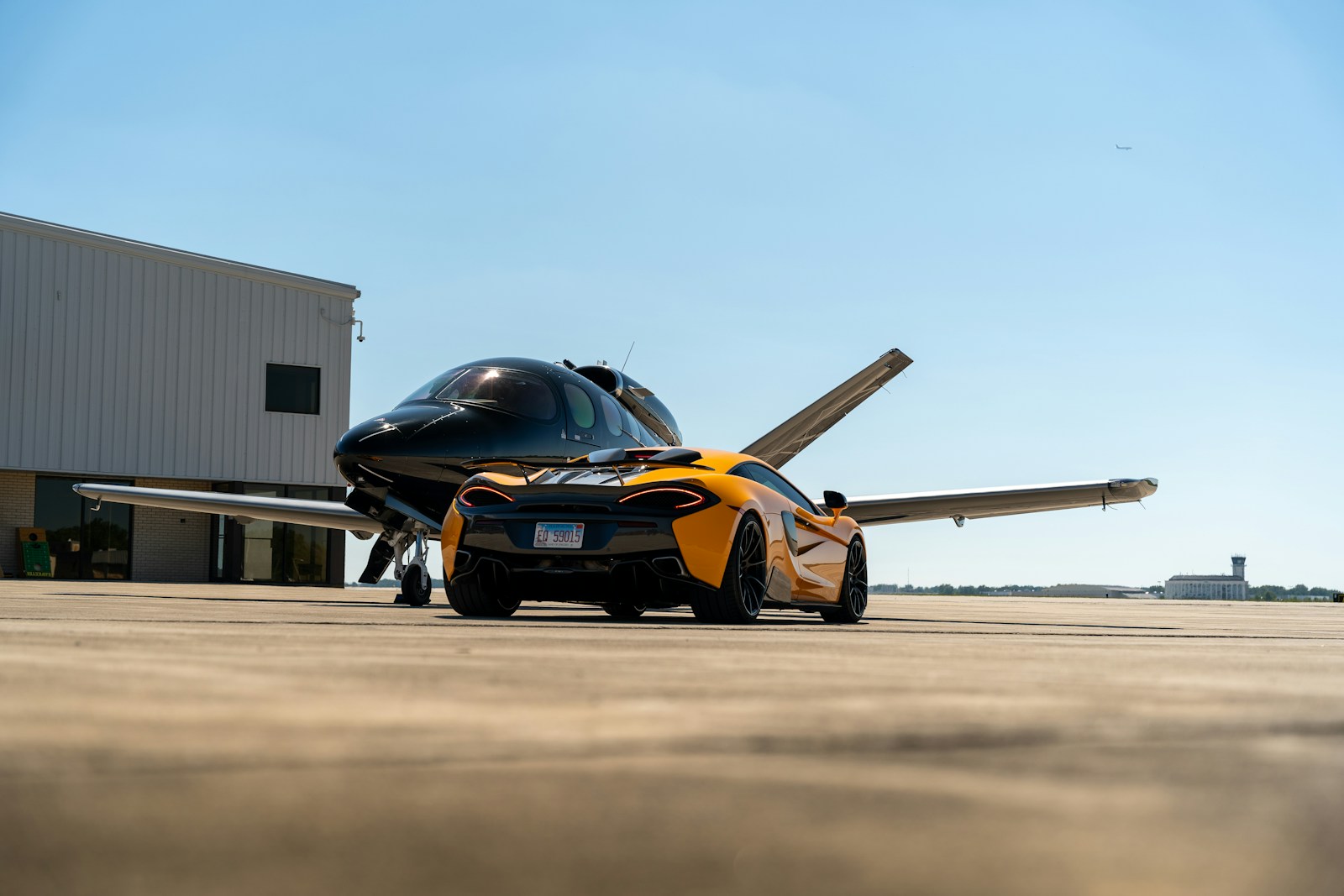
The automobile industry has undergone one of the most dramatic transformations in modern history. From the invention of the first motor vehicles in the late 19th century to the rise of electric and autonomous cars in the 21st century, this sector has continuously adapted to technological advancements, consumer demands, and global challenges. Today, the industry stands at the crossroads of innovation and sustainability, reshaping how people and goods move across the world.
The origins of the automobile industry can be traced back to pioneers like Karl Benz, who introduced the first practical automobile powered by an internal combustion engine in 1885. This invention marked the beginning of a new era in transportation, replacing horse-drawn carriages with motorized vehicles. Early automobiles were expensive and accessible only to the wealthy, but innovations in manufacturing soon made them more affordable.
A major turning point came with Henry Ford and the introduction of mass production techniques. Ford’s assembly line revolutionized manufacturing, significantly reducing production costs and making cars accessible to the general public. The Ford Model T became one of the first widely available automobiles, symbolizing the democratization of mobility.
Throughout the 20th century, the automobile industry expanded rapidly. Companies like General Motors, Ford, and Volkswagen emerged as global leaders. The industry became a cornerstone of economic growth, creating millions of jobs and driving innovation in engineering, design, and manufacturing.
As the industry grew, so did competition. Automakers began to differentiate themselves through design, performance, and technological features. The mid-20th century saw the rise of iconic vehicles, improved safety features, and enhanced driving comfort. However, it was also a period marked by increasing environmental concerns, particularly related to emissions and fuel consumption.
The oil crises of the 1970s highlighted the vulnerability of the automobile industry to global economic and political factors. Rising fuel prices forced consumers to reconsider their preferences, leading to increased demand for smaller, fuel-efficient cars. Japanese automakers like Toyota and Honda gained global prominence by offering reliable and efficient vehicles.
Entering the 21st century, the automobile industry began to experience a technological revolution. Advances in electronics, computing, and materials science transformed vehicles into sophisticated machines equipped with advanced features. Modern cars now include infotainment systems, navigation, connectivity, and driver assistance technologies that enhance safety and convenience.
One of the most significant developments in recent years is the shift toward electrification. Electric vehicles (EVs) are rapidly gaining popularity as governments and consumers seek to reduce carbon emissions and combat climate change. Companies like Tesla have played a pivotal role in popularizing EVs, demonstrating that electric cars can be both high-performing and desirable.
Traditional automakers are also investing heavily in electric technology. Companies such as BMW, Mercedes-Benz, and Hyundai are expanding their EV lineups to compete in this rapidly growing market. This transition represents a fundamental shift in the industry, requiring new manufacturing processes, supply chains, and infrastructure.
Another transformative trend is the development of autonomous vehicles. Self-driving technology has the potential to revolutionize transportation by improving safety, reducing traffic congestion, and increasing mobility for people who cannot drive. Companies such as Waymo and Uber are investing in autonomous systems, aiming to bring fully self-driving cars to the mainstream.
The rise of connectivity is also reshaping the automobile industry. Modern vehicles are increasingly connected to the internet, enabling features such as real-time navigation, remote diagnostics, and over-the-air software updates. This connectivity transforms cars into digital platforms, offering new opportunities for innovation and customer engagement.
The concept of mobility itself is evolving. Instead of focusing solely on vehicle ownership, many companies are exploring mobility-as-a-service (MaaS) models. Ride-sharing platforms, car subscription services, and on-demand transportation solutions are changing how people access and use vehicles. This shift reflects changing consumer preferences, particularly among younger generations who prioritize convenience and flexibility.
Sustainability has become a central focus for the automobile industry. Governments around the world are implementing stricter regulations to reduce emissions and promote cleaner technologies. Automakers are responding by investing in renewable energy, recycling, and sustainable manufacturing practices. The development of hydrogen fuel cell vehicles, such as those by Toyota, represents another approach to achieving zero-emission transportation.
The supply chain is another critical aspect of the evolving automobile industry. The production of modern vehicles requires a complex network of suppliers, manufacturers, and logistics providers. Recent global events, including semiconductor shortages and disruptions caused by pandemics, have highlighted the importance of supply chain resilience. Automakers are now rethinking their strategies to ensure stability and efficiency.
Digital transformation is playing a key role in shaping the future of the industry. Artificial intelligence, big data, and machine learning are being used to improve manufacturing processes, enhance vehicle performance, and personalize the driving experience. Predictive maintenance, for example, allows vehicles to identify potential issues before they become serious problems, improving reliability and reducing costs.
The role of design in the automobile industry has also evolved. Modern vehicles are not only functional but also expressions of style and identity. Automakers invest heavily in design to create visually appealing vehicles that resonate with consumers. Aerodynamics, materials, and ergonomics are carefully considered to achieve both performance and comfort.
Safety remains a top priority in the automobile industry. Over the years, significant advancements have been made in vehicle safety, including airbags, anti-lock braking systems, and electronic stability control. Today, advanced driver assistance systems (ADAS) such as lane-keeping assist, adaptive cruise control, and automatic emergency braking are becoming standard features in many vehicles.
The global nature of the automobile industry means that it is influenced by regional trends and regulations. In emerging markets, there is growing demand for affordable vehicles, while developed markets are focusing on sustainability and advanced technology. Automakers must adapt their strategies to meet the diverse needs of different regions.
The rise of electric vehicles has also created new challenges, particularly in terms of infrastructure. Charging stations, battery production, and energy supply are critical components of the EV ecosystem. Governments and private companies are working together to expand charging networks and improve battery technology to support the widespread adoption of electric vehicles.
Innovation in battery technology is a key driver of the EV revolution. Advances in lithium-ion batteries have improved energy density, reduced costs, and increased the range of electric vehicles. Research into solid-state batteries and other next-generation technologies promises even greater improvements in the future.
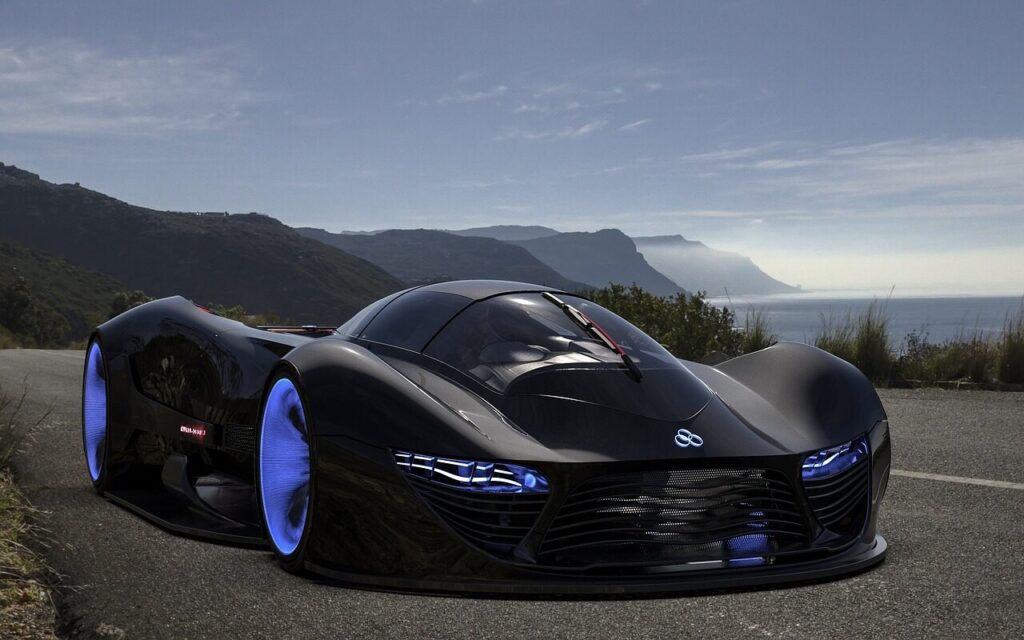
The automobile industry is also exploring alternative fuels, such as hydrogen and biofuels. Hydrogen fuel cell vehicles produce electricity through a chemical reaction between hydrogen and oxygen, emitting only water as a byproduct. While still in the early stages of adoption, this technology has the potential to complement electric vehicles in achieving sustainable transportation.
Collaboration and partnerships are becoming increasingly important in the automobile industry. Automakers are partnering with technology companies, startups, and research institutions to accelerate innovation. These collaborations enable the sharing of expertise and resources, driving the development of new technologies and solutions.
The workforce in the automobile industry is also evolving. As the industry adopts new technologies, there is a growing demand for skilled workers in areas such as software development, data analysis, and engineering. At the same time, traditional manufacturing roles are being transformed by automation and robotics.
Consumer expectations are changing as well. Today’s buyers expect more than just a means of transportation; they seek a connected, comfortable, and personalized experience. Features such as voice assistants, smartphone integration, and customizable interfaces are becoming increasingly important in meeting these expectations.
The impact of the automobile industry extends beyond transportation. It influences urban planning, environmental policy, and economic development. Cities are being designed with new mobility solutions in mind, including electric vehicle infrastructure, smart traffic systems, and pedestrian-friendly environments.
Looking to the future, the automobile industry is poised for continued transformation. The convergence of electrification, autonomy, connectivity, and shared mobility is creating new opportunities and challenges. Companies that can adapt to these changes and innovate effectively will be well-positioned to succeed in the evolving landscape.
Despite the uncertainties, one thing is clear: the automobile industry will continue to play a vital role in shaping the way people live and move. Its ability to adapt and innovate has been demonstrated time and again, and this resilience will be crucial in navigating the challenges ahead.
In conclusion, the evolving automobile industry represents a dynamic and rapidly changing sector that is redefining transportation. From its early beginnings to its current state of technological advancement, the industry has consistently pushed the boundaries of innovation. As it moves toward a more sustainable and connected future, the automobile industry will remain a driving force in global progress, shaping the world for generations to come.