The story of Honda Motor Co., Ltd. is one of determination, innovation, and an unwavering commitment to engineering excellence. From humble beginnings in post-war Japan to becoming one of the world’s largest and most respected manufacturers of automobiles and motorcycles, Honda’s journey is both inspiring and transformative. The company has not only shaped the automotive industry but has also influenced global mobility, technology, and environmental progress. This article explores Honda’s origins, growth, technological achievements, global expansion, and its vision for the future.
The foundation of Honda can be traced back to the life and ambitions of its founder, Soichiro Honda. Born in 1906 in a small village in Japan, Soichiro developed an early fascination with machinery. His passion for engineering led him to work as a mechanic and eventually start his own business manufacturing piston rings. However, his journey was not without setbacks. During World War II, his factory was destroyed, and Japan’s economy was left in ruins. Yet, rather than giving up, Soichiro Honda saw an opportunity to rebuild and innovate.
In 1946, Soichiro Honda founded the Honda Technical Research Institute, focusing on small engines. By attaching surplus engines to bicycles, he created an affordable and efficient mode of transportation for a population struggling with fuel shortages and economic hardship. This innovation laid the groundwork for the establishment of Honda Motor Co., Ltd. in 1948. The company quickly gained recognition for its reliable and efficient motorcycles, which became essential for everyday transportation in Japan.
Honda’s early success came from its motorcycles. Models like the Dream D-Type and later the Super Cub revolutionized personal mobility. The Super Cub, introduced in 1958, became one of the most successful motor vehicles in history, known for its simplicity, durability, and affordability. It helped Honda dominate the global motorcycle market and establish a reputation for quality and innovation. By the 1960s, Honda had become the world’s largest motorcycle manufacturer.
While motorcycles formed the foundation of Honda’s success, the company’s ambitions extended far beyond two wheels. In the early 1960s, Honda entered the automobile market, a move that was initially met with skepticism. Competing against established automakers required significant resources and expertise, but Honda’s engineering-driven approach set it apart. The company introduced its first production car, the T360 mini truck, followed by the S500 sports car, demonstrating its versatility and technical capabilities.
Honda’s breakthrough in the automotive industry came in the 1970s with the introduction of the Civic. At a time when the world was facing an oil crisis and increasing environmental concerns, the Civic offered fuel efficiency, affordability, and reliability. It quickly gained popularity in markets like the United States, where consumers were seeking alternatives to larger, less efficient vehicles. The Civic’s success marked the beginning of Honda’s rise as a major global automaker.
Another milestone in Honda’s history was the development of the CVCC (Compound Vortex Controlled Combustion) engine. This innovative technology allowed Honda vehicles to meet strict emissions standards without the need for expensive catalytic converters. The CVCC engine demonstrated Honda’s commitment to environmental responsibility and technological innovation, setting a precedent for future advancements in engine design.
Throughout the 1980s and 1990s, Honda continued to expand its product lineup and global presence. The introduction of models like the Accord and Prelude further solidified its reputation for quality and performance. The Accord, in particular, became one of the best-selling cars in the United States, known for its reliability, comfort, and value. Honda also established manufacturing facilities in various countries, including the United States, to better serve local markets and reduce production costs.
Honda’s engineering excellence is perhaps most evident in its approach to performance and motorsports. The company has a long and successful history in racing, particularly in Formula One. By participating in high-level motorsports, Honda has been able to test and refine its technologies under extreme conditions. This experience has translated into improved performance and innovation in its consumer vehicles.

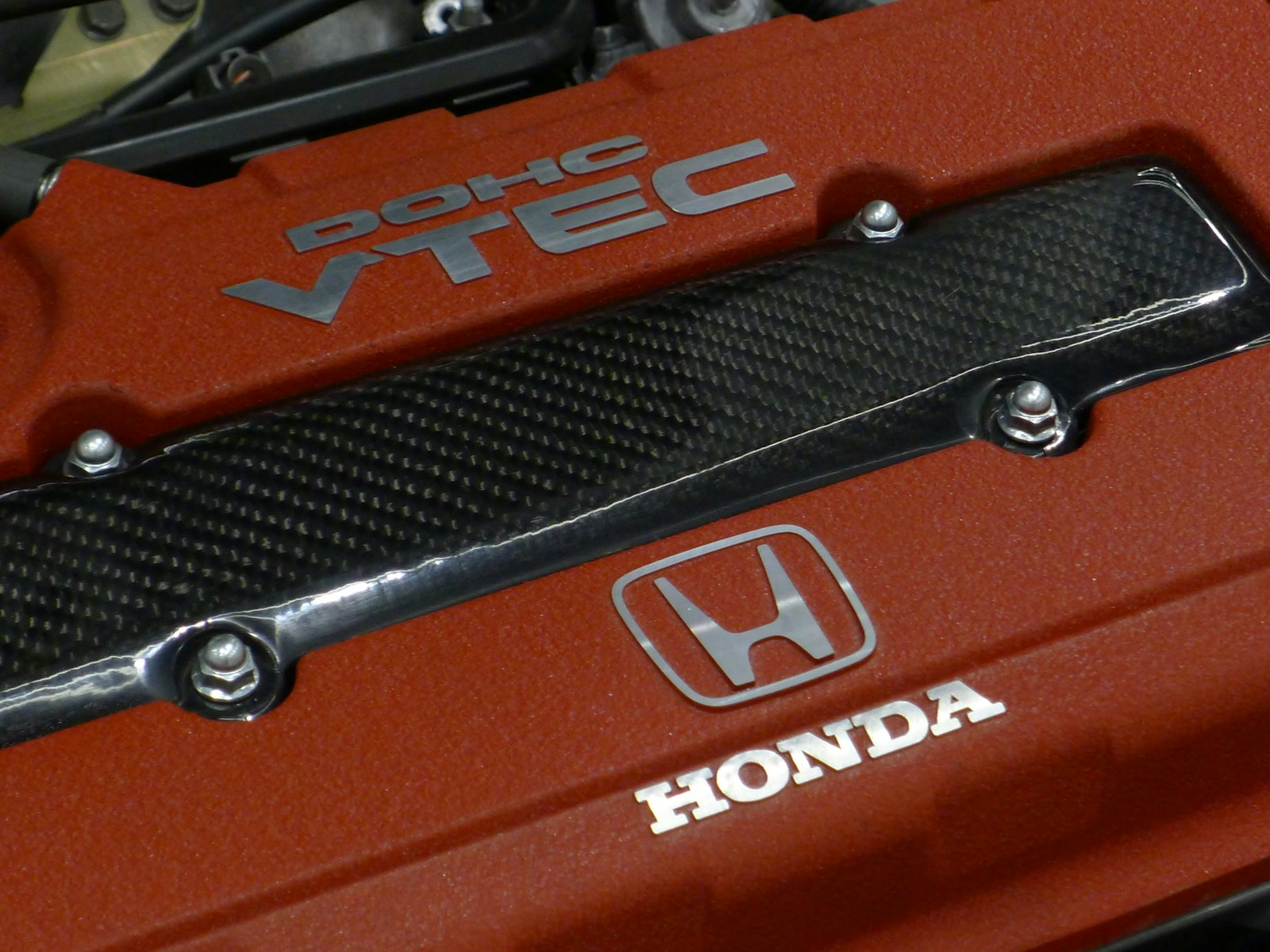
One of Honda’s most significant contributions to automotive engineering is the development of VTEC (Variable Valve Timing and Lift Electronic Control). This technology enhances engine performance and efficiency by optimizing valve operation based on driving conditions. VTEC engines became a hallmark of Honda vehicles, offering a balance of power and fuel economy that appealed to a wide range of drivers.
In addition to automobiles and motorcycles, Honda has diversified its operations into other areas, including power equipment, robotics, and aviation. Products such as generators, lawnmowers, and outboard engines have further expanded the company’s reach. Honda’s ASIMO robot, introduced in the early 2000s, showcased its advancements in robotics and artificial intelligence, capturing the imagination of people worldwide.
Honda’s commitment to innovation extends to the field of aviation with the development of the HondaJet. This light business jet features advanced aerodynamics, fuel efficiency, and cutting-edge technology, reflecting the company’s engineering expertise beyond traditional automotive applications. The HondaJet represents a bold step into a new industry, demonstrating the company’s willingness to explore new frontiers.
Environmental sustainability has become a central focus for Honda in recent years. The company has invested heavily in hybrid and electric vehicle technologies, aiming to reduce its carbon footprint and contribute to a cleaner future. Models like the Insight and Clarity have showcased Honda’s efforts in this area, offering environmentally friendly alternatives without compromising performance or practicality.
Honda has also been actively involved in the development of hydrogen fuel cell technology. The Clarity Fuel Cell vehicle represents a significant step toward zero-emission transportation, utilizing hydrogen to generate electricity and produce only water as a byproduct. While challenges remain in terms of infrastructure and cost, Honda’s work in this field highlights its commitment to long-term sustainability.
The company’s global presence is a testament to its adaptability and vision. Honda operates manufacturing plants, research centers, and sales networks in numerous countries, allowing it to cater to diverse markets and customer preferences. This global approach has enabled Honda to remain competitive in an increasingly interconnected world.
One of the key factors behind Honda’s success is its corporate philosophy, often summarized by the phrase “The Power of Dreams.” This philosophy emphasizes creativity, innovation, and a desire to challenge conventional thinking. It encourages employees to pursue new ideas and strive for excellence, fostering a culture of continuous improvement.
Honda’s impact on society extends beyond its products. The company has been involved in various social and environmental initiatives, supporting education, community development, and disaster relief efforts. By prioritizing corporate responsibility, Honda has built a positive reputation and strengthened its relationship with customers and communities.
Despite its many achievements, Honda has faced challenges along the way. Economic downturns, increased competition, and evolving consumer preferences have tested the company’s resilience. The transition toward electric vehicles, in particular, presents both opportunities and challenges, requiring significant investment and strategic planning.
In response to these challenges, Honda has embraced collaboration and innovation. The company has formed partnerships with other organizations to accelerate the development of new technologies and expand its capabilities. These collaborations reflect a pragmatic approach to navigating the complexities of the modern automotive industry.
Looking ahead, Honda’s future is shaped by its commitment to sustainability, innovation, and customer satisfaction. The company aims to achieve carbon neutrality by 2050, focusing on electrification, renewable energy, and advanced technologies. By aligning its goals with global environmental priorities, Honda is positioning itself as a leader in the transition to sustainable mobility.
The evolution of Honda is a testament to the power of vision and perseverance. From its beginnings as a small engine manufacturer to its current status as a global leader, the company has consistently pushed the boundaries of what is possible. Its emphasis on engineering excellence, environmental responsibility, and customer satisfaction has set it apart in a competitive industry.
In conclusion, Honda Motor Co., Ltd. represents more than just a manufacturer of vehicles; it embodies a philosophy of innovation, resilience, and progress. Guided by the vision of Soichiro Honda, the company has transformed the way people move and interact with technology. As the world continues to evolve, Honda’s dedication to creating efficient, reliable, and sustainable solutions ensures that it will remain a driving force in the future of mobility.