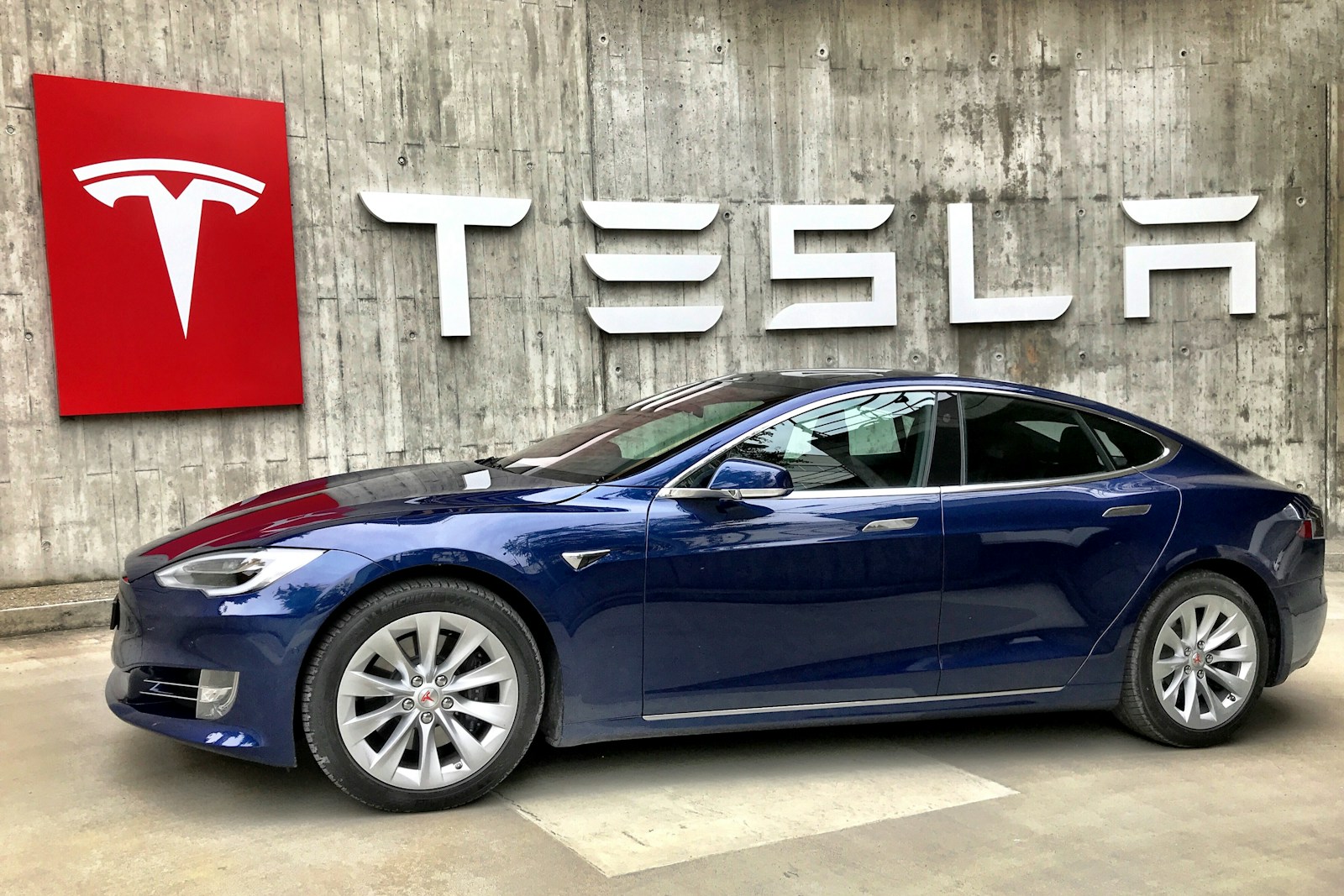
The story of modern automobiles is one of innovation, competition, and constant transformation. From early steam-powered experiments to today’s cutting-edge electric vehicles, cars have evolved dramatically over the past century. Among the companies leading the latest revolution is Tesla, Inc., a brand that has redefined what cars can be. To understand Tesla’s significance, it is essential to explore both the broader history of automobiles and the unique journey of Tesla itself.
The Early Days of Automobiles
The origins of cars date back to the late 18th and early 19th centuries, when inventors began experimenting with self-propelled vehicles. Early models were powered by steam, but they were bulky, slow, and impractical. The real breakthrough came with the invention of the internal combustion engine in the late 1800s.
One of the pioneers of the modern car was Karl Benz, who developed the first gasoline-powered automobile in 1885. Around the same time, other inventors in Europe and the United States were working on similar technologies, leading to rapid advancements in vehicle design.
By the early 20th century, cars began transitioning from experimental machines to practical transportation tools. A major turning point came with Henry Ford, who introduced the moving assembly line in 1913. This innovation allowed cars to be mass-produced efficiently and affordably, making them accessible to the general public.
Ford’s Model T became one of the most influential cars in history, symbolizing the shift from luxury items to everyday necessities. The automobile industry quickly expanded, with numerous manufacturers emerging worldwide.
The Rise of the Global Auto Industry
Throughout the 20th century, the automobile industry experienced tremendous growth. Companies in the United States, Europe, and Japan competed to produce faster, safer, and more comfortable vehicles. Innovations such as automatic transmissions, power steering, and improved safety features became standard over time.
However, this growth also brought challenges. By the mid-20th century, concerns about fuel consumption and environmental impact began to emerge. The oil crises of the 1970s highlighted the world’s dependence on fossil fuels, prompting interest in alternative energy sources.
Electric vehicles (EVs) were not entirely new—early versions had existed since the 19th century—but they had been largely overshadowed by gasoline-powered cars. Limited battery technology and short driving ranges made them impractical for widespread use. Still, the idea of electric mobility never disappeared completely.
The Vision Behind Tesla
Tesla’s story begins not in the early days of automobiles, but in the early 21st century. The company was founded in 2003 by a group of engineers, including Martin Eberhard and Marc Tarpenning. Their goal was ambitious: to prove that electric cars could be better, faster, and more exciting than gasoline-powered vehicles.
The company was named after Nikola Tesla, a pioneering electrical engineer known for his work on alternating current (AC) systems. The name reflected the company’s focus on innovation and electricity.
Shortly after its founding, Tesla gained significant attention when Elon Musk joined as an investor and later became CEO. Musk played a crucial role in shaping Tesla’s vision and driving its growth. Under his leadership, Tesla aimed not just to build cars, but to accelerate the world’s transition to sustainable energy.
Tesla’s First Breakthrough: The Roadster
Tesla’s first major product was the Tesla Roadster, launched in 2008. Unlike earlier electric vehicles, the Roadster was designed to be a high-performance sports car. It could accelerate from 0 to 60 mph in under four seconds and had a range of over 200 miles on a single charge—impressive figures for its time.
The Roadster proved that electric cars could be both practical and exciting. However, it was also expensive, limiting its appeal to a niche market. Tesla’s broader strategy was to start with high-end vehicles and gradually move toward more affordable models.
Expanding the Lineup: Model S, Model X, and Model 3
Tesla’s next major success came with the Model S, introduced in 2012. This luxury sedan received widespread acclaim for its performance, design, and advanced technology. It featured a large touchscreen interface, over-the-air software updates, and industry-leading electric range.
Following the Model S, Tesla introduced the Model X, a luxury SUV known for its distinctive falcon-wing doors. While innovative, the Model X also faced production challenges, highlighting the difficulties of scaling up manufacturing.
The real turning point for Tesla came with the Model 3, launched in 2017. Designed to be more affordable than previous models, the Model 3 brought electric vehicles to a broader audience. It quickly became one of the best-selling electric cars in the world.
Technology and Innovation
One of Tesla’s defining characteristics is its focus on technology. Unlike traditional automakers, Tesla operates as both a car manufacturer and a technology company.
Battery Technology
Tesla has invested heavily in battery development, aiming to improve energy density, reduce costs, and extend driving range. Its Gigafactories produce batteries at scale, helping lower production costs.
Autopilot and AI
Tesla’s Autopilot system represents a major step toward autonomous driving. Using cameras, sensors, and artificial intelligence, Tesla vehicles can assist with steering, acceleration, and braking. While not fully self-driving, the system continues to evolve.
Software Integration
Tesla vehicles are known for their software-driven features. Over-the-air updates allow the company to improve performance, add features, and fix issues without requiring physical recalls.
Challenges and Controversies
Despite its success, Tesla has faced numerous challenges. Production delays, financial struggles, and intense competition have tested the company’s resilience.
In its early years, Tesla struggled to scale manufacturing. The production of the Model 3, in particular, was plagued by delays and bottlenecks, leading Musk to describe the situation as “production hell.”
Tesla has also faced criticism regarding its Autopilot system, with debates over safety and regulation. Additionally, the company operates in a highly competitive market, with traditional automakers and new startups investing heavily in electric vehicles.
The Global Shift Toward Electric Vehicles
Tesla’s success has had a profound impact on the automotive industry. Major automakers such as Ford, Volkswagen, and General Motors have accelerated their electric vehicle programs in response to Tesla’s growth.
Governments around the world are also promoting EV adoption through incentives and regulations aimed at reducing carbon emissions. As a result, electric vehicles are becoming increasingly common on roads worldwide.
Tesla’s influence extends beyond cars. The company is involved in energy storage, solar power, and grid solutions, reinforcing its mission to promote sustainability.
The Future of Tesla and Cars
The future of automobiles is likely to be shaped by several key trends:
- Electrification – Electric vehicles are expected to replace internal combustion engines over time.
- Autonomy – Self-driving technology could transform transportation.
- Connectivity – Cars are becoming more integrated with digital ecosystems.
- Sustainability – Reducing environmental impact is a growing priority.
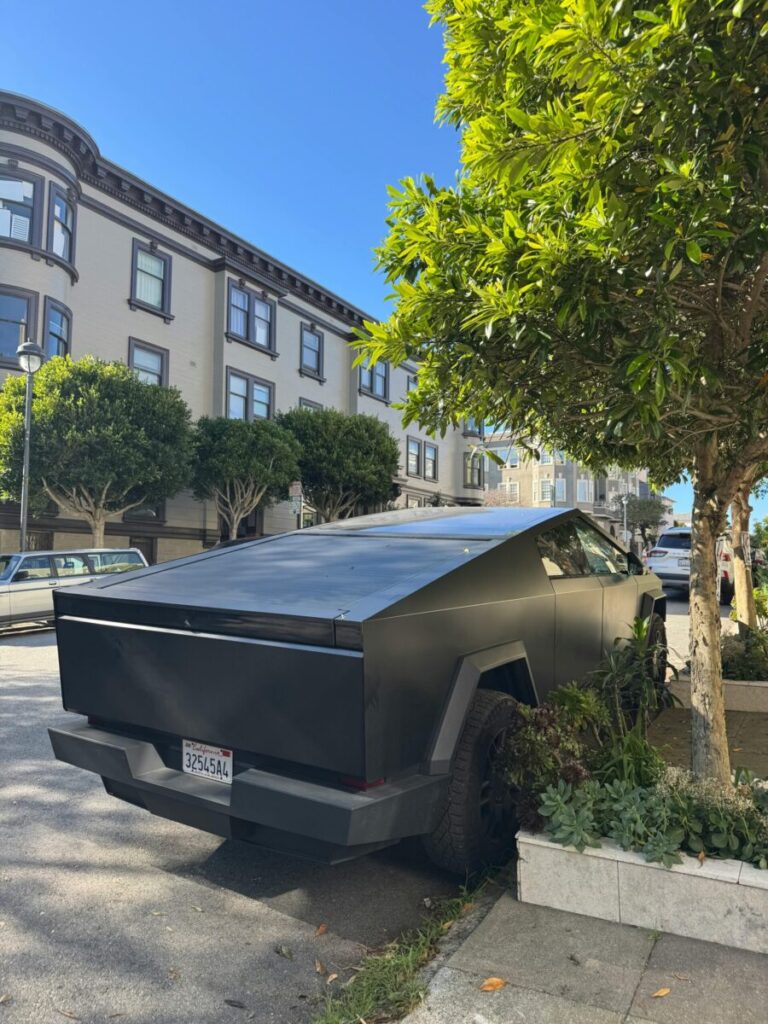
Tesla continues to play a leading role in these developments. New models, such as the Cybertruck and advancements in battery technology, demonstrate the company’s commitment to innovation.
Conclusion
The history of cars is a story of continuous evolution, from the early inventions of Karl Benz to the mass production revolution led by Henry Ford. Over time, the industry has adapted to changing technologies, economic conditions, and environmental concerns.
In this ongoing journey, Tesla, Inc. represents a new chapter. By combining cutting-edge technology with a bold vision for sustainability, Tesla has transformed the perception of electric vehicles and challenged the entire automotive industry to innovate.
As the world moves toward a more sustainable future, the legacy of Tesla—and the broader evolution of cars—will continue to shape how people travel, live, and interact with technology. The road ahead promises even greater advancements, making the automobile not just a means of transportation, but a cornerstone of modern life.